
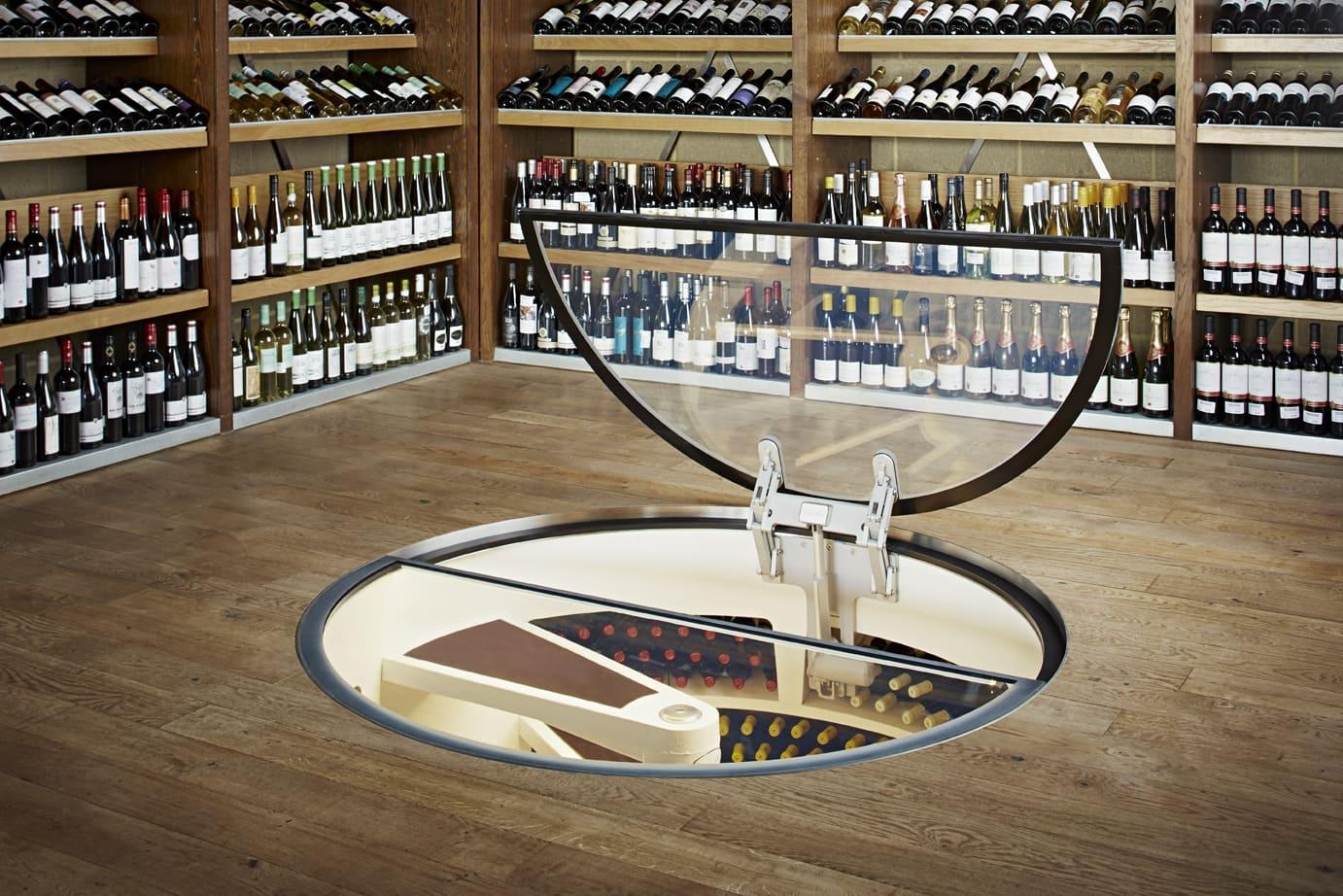
Modernising Cellar Doors and Trapdoors for the 21st Century
In the age of smart homes and automated solutions, even the most traditional elements of our houses are getting a high-tech makeover.
Linear actuators are at the forefront of this revolution, transforming how we interact with cellar doors and trapdoors. Let’s explore how these powerful devices are bringing these often-overlooked access points into the 21st century.

What are Linear Actuators?
Linear actuators are devices that convert rotational motion into linear motion, providing a pushing or pulling force. They’re compact, efficient, and incredibly versatile, making them ideal for a wide range of applications, including modernising cellar doors and trapdoors.
The Benefits of Actuator-Powered Cellar doors and Trapdoors
- Enhanced Safety: Automated doors reduce the risk of accidents associated with manual lifting of heavy doors.
- Improved Accessibility: Elderly or physically challenged individuals can easily access cellars and lofts.
- Space Efficiency: Actuators allow for smoother, more compact door designs that save space.
- Weather Resistance: Properly sealed actuator-driven doors provide better protection against the elements.
- Smart Home Integration: Connect your cellar or trapdoor to your home automation system for seamless control.
Applications in Modern Homes
Linear actuators are being used in various innovative ways to upgrade cellar doors and trapdoors:
- Wine Cellars: Create dramatic entrances to your wine collection with sleek, automated floor panels.
- Storm Shelters: Ensure quick and easy access during emergencies with push-button operation.
- Attic Access: Transform difficult-to-reach attic spaces into easily accessible storage areas.
- Basement / Cellar Entries: Replace bulky exterior cellar doors with streamlined, weather-tight automated solutions.
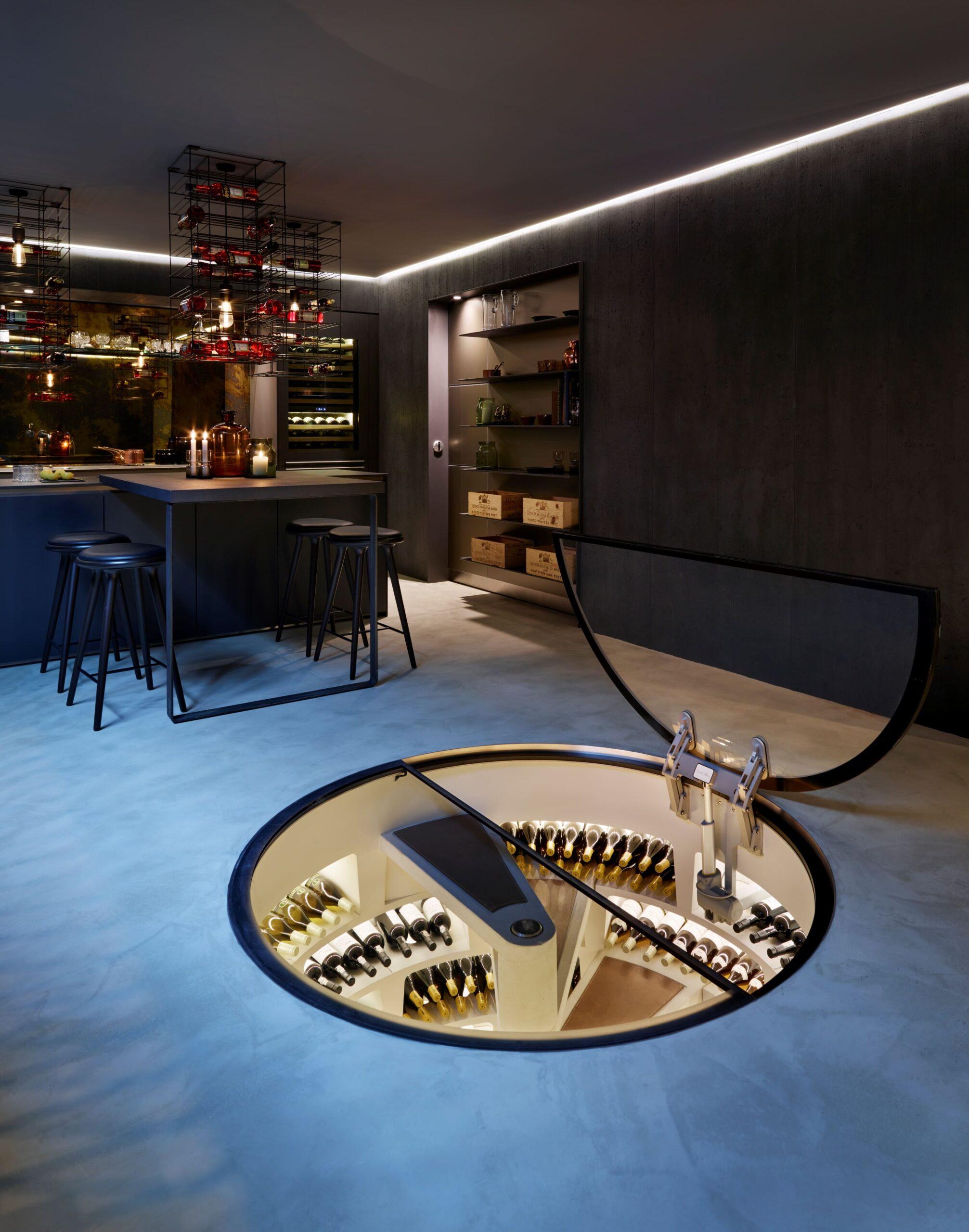
Choosing the Right Actuator for Your Cellar Doors and Trapdoors
When selecting a linear actuator for your cellar door or trapdoor project, consider:
- Load Capacity: Ensure the actuator can handle the weight of your door.
- Stroke Length: Match the actuator’s extension to your door’s required range of motion.
- Speed: Balance between quick operation and smooth movement.
- Environmental Factors: Choose actuators rated for your specific indoor or outdoor conditions.
Installation and Maintenance
While professional installation is recommended for optimal performance and safety, many DIY enthusiasts find actuator installation to be a rewarding project. Regular maintenance, including lubrication and inspection of moving parts, will ensure long-lasting operation.
The Future of Access
As smart home technology continues to evolve, we can expect even more integration between actuator-powered doors and home automation systems. Voice control, smartphone apps, and advanced safety features are just the beginning of what’s possible with these innovative devices.
Transformational Technology
Linear actuators are transforming the way we think about and interact with cellar doors and trapdoors. By combining safety, convenience, and cutting-edge technology, these devices are ensuring that even the most traditional aspects of our homes are ready for the challenges and opportunities of the 21st century.
Ready to upgrade your cellar door or trapdoor? Explore our range of linear actuators and take the first step towards a more modern, accessible home today!
Want to learn more about how linear actuators can modernise your space?
Contact our experts for a personalised consultation and bring your cellar or trapdoor into the future!
Related Products
-
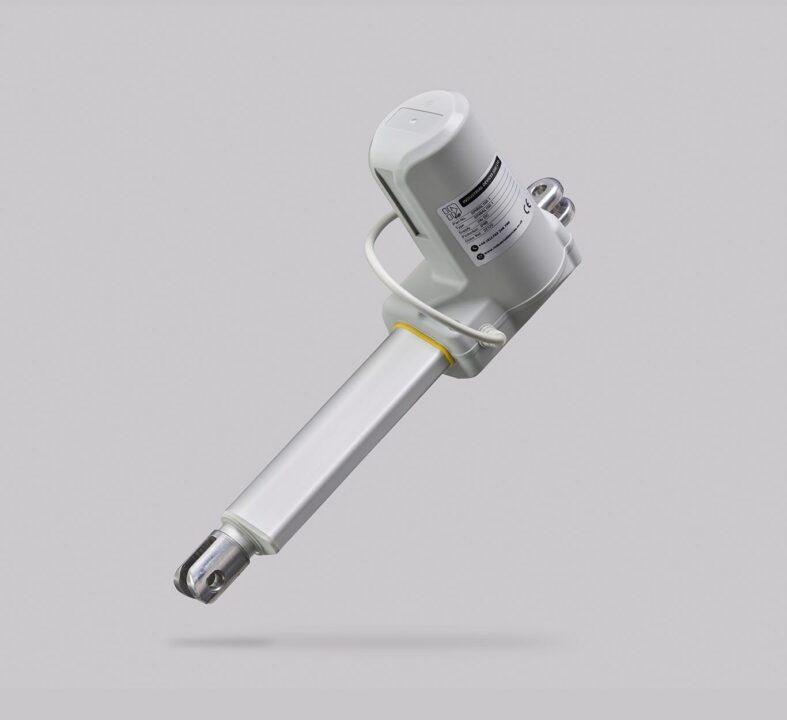
1
Linear Actuators
IDM6E Industrial Linear Actuator
- Up to 10,000N (1000kg) load capacity
- Multiple stroke lengths available
- Up to 38mm/second
-
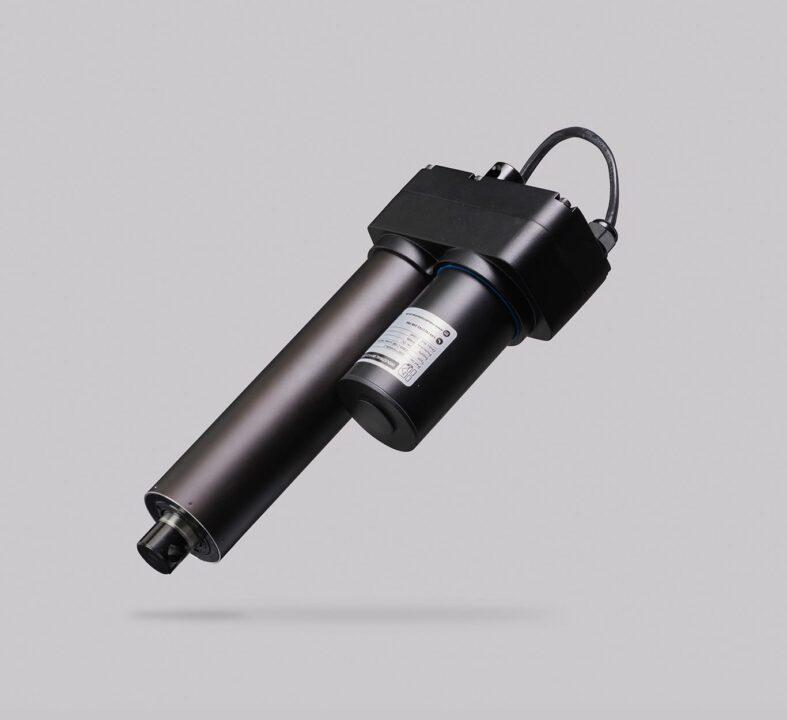
2
Linear Actuators
IDM8 Electric Linear Actuator
- Up to 10,000N (1000kg) load capacity
- Multiple stroke lengths available
- Up to 42mm/second
-

3
Linear Actuators
IDM12 Industrial Electric Actuator
- Up to 12,000N (1200kg) load capacity
- Multiple stroke lengths available
- Up to 57mm/second
-

4
Linear Actuators
LZ60 Electric Linear Actuator
- Up to 4,000N (1000kg) load capacity
- Multiple stroke lengths available
- Up to 45mm/second
-

5
Linear Actuators
AS23 Linear Actuator Controller
- Digitally adjustable current sensing in both directions of stroke
- 10 – 35vDC Supply
- Automatic current stop
-

6
Linear Actuators
AS26 Synchronising Controller for 2 Actuators
- Supply 10 – 30v DV
- DIN rail mount included
- Start and stop ramp speed adjustment